-
×
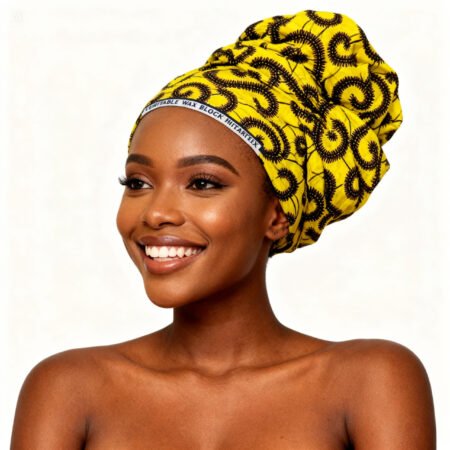
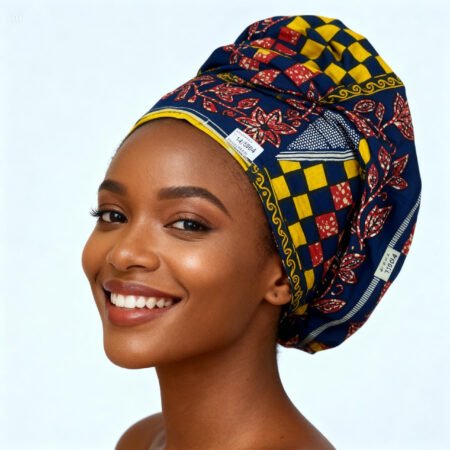
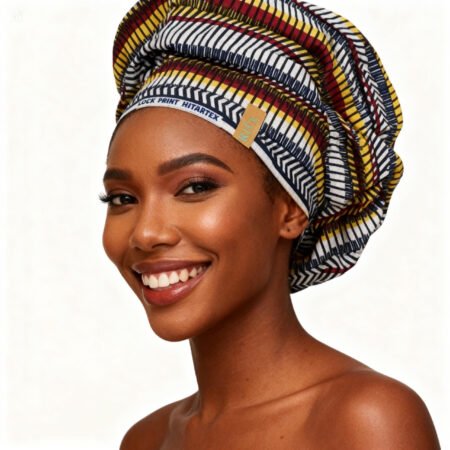
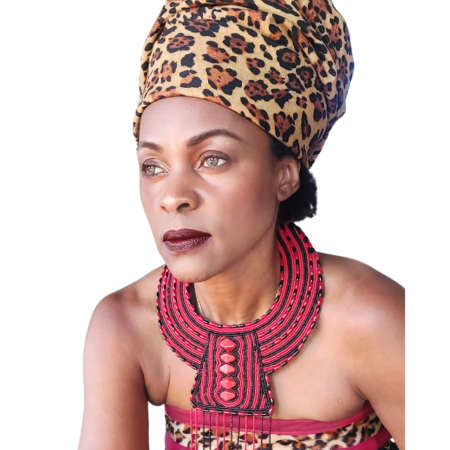
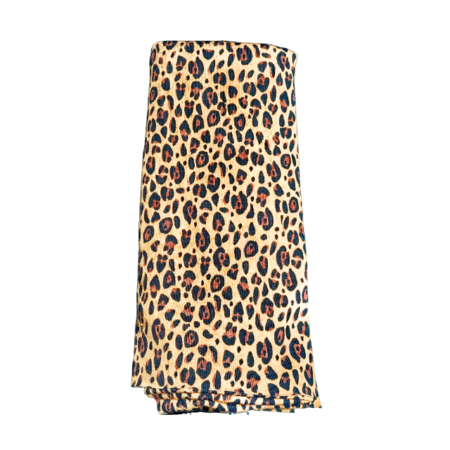
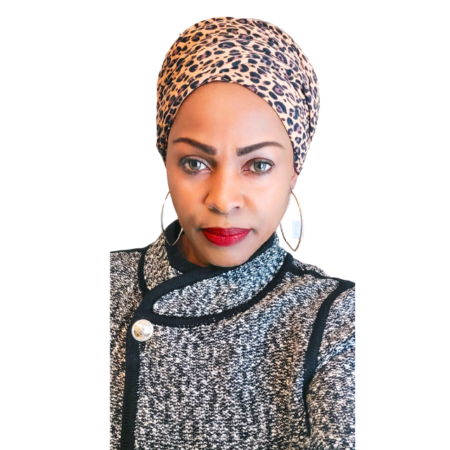
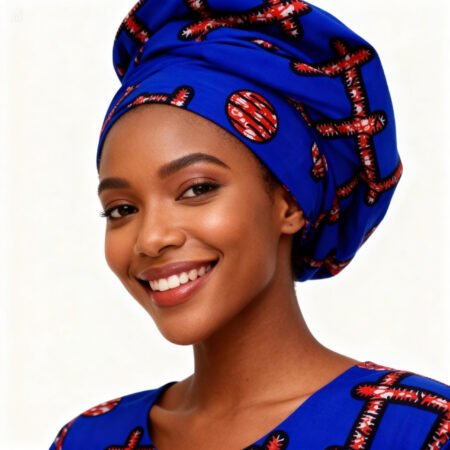 Lady's Turban Style 21"x71" (Trimmed)
1 × $14.99
Lady's Turban Style 21"x71" (Trimmed)
1 × $14.99
The Story of Why African Women Wear Head Wraps
Long ago, in the heart of Africa, before kingdoms rose and borders were drawn, women carried the wisdom of the earth in their hearts and the strength of their ancestors in their hands. They worked the land, nurtured families, and walked with grace under the sun. But beyond their beauty and resilience, there was something sacred that crowned them — the head wrap.
The Birth of the Head Wrap
It is said that the first head wrap was born from the earth itself. When the sun blazed fiercely upon the land, the women took pieces of cloth woven from natural fibers and wrapped them around their heads to protect themselves from the heat. But soon, they realized that this simple act carried deeper meaning. The head wrap became more than protection; it became a symbol — a crown of identity, dignity, and spiritual power.
A Crown of Heritage and Pride
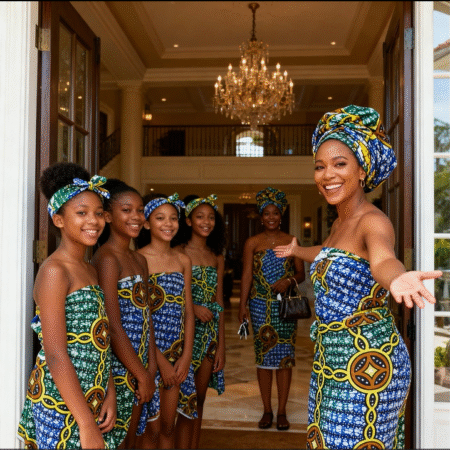
In many African cultures, the head wrap is a mark of respect and pride. It signifies a woman’s status, her tribe, her marital position, or her spiritual journey. The way it is tied, the colors chosen, and the patterns displayed all tell a story. A woman’s head wrap can speak without words — announcing joy, mourning, celebration, or reverence.
To cover the head is also to honor the divine. In traditional belief, the head is the seat of spiritual energy — the place where wisdom and intuition dwell. Wrapping it is a way of protecting that sacred space, keeping one’s thoughts pure and one’s spirit grounded.
A Symbol of Modesty and Strength
The head wrap teaches humility and self-respect. It reminds women to carry themselves with grace and dignity, no matter their circumstances. In the marketplace, in the fields, or at royal gatherings, the head wrap transforms the ordinary into the regal. It is both modest and majestic — a quiet declaration of strength.
A Canvas of Expression
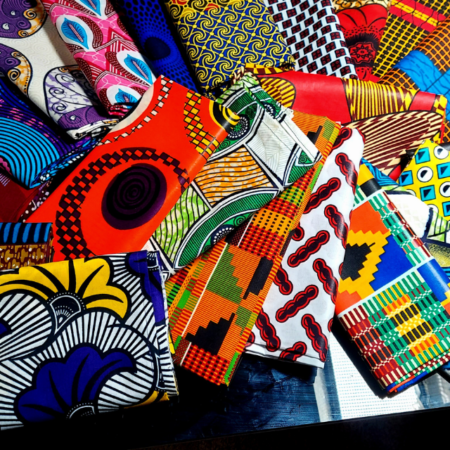
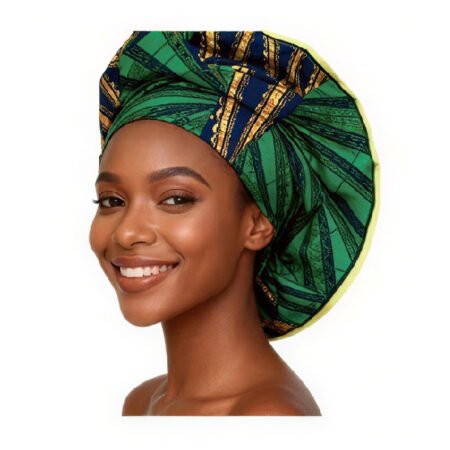
Each head wrap is a work of art. The vibrant fabrics, bold patterns, and creative folds reflect the diversity and creativity of African womanhood. No two wraps are ever the same, just as no two women are. Through their wraps, women express their moods, their heritage, and their individuality.
A Legacy Passed Down
Mothers teach their daughters how to tie the head wrap — not just the technique, but the meaning behind it. Each knot and fold carries lessons about patience, pride, and purpose. The act of wrapping becomes a ritual of connection, linking generations through fabric and tradition.
The Eternal Crown
Today, the head wrap continues to be worn across Africa and the diaspora, carrying with it centuries of history and symbolism. It remains a crown — not of gold or jewels, but of culture, resilience, and identity.
The story of the African woman’s head wrap is the story of Africa itself — vibrant, powerful, and eternal. It is a reminder that true beauty is not only seen but felt, and that every wrap, every fold, and every color tells the story of a queen.
-50%


Original price was: $17.99.$9.00Current price is: $9.00.
-50%
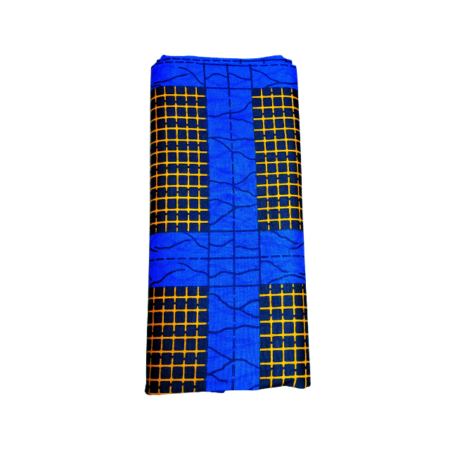
Original price was: $24.99.$12.50Current price is: $12.50.
-50%
Original price was: $29.99.$15.00Current price is: $15.00.
$4.99
-50%
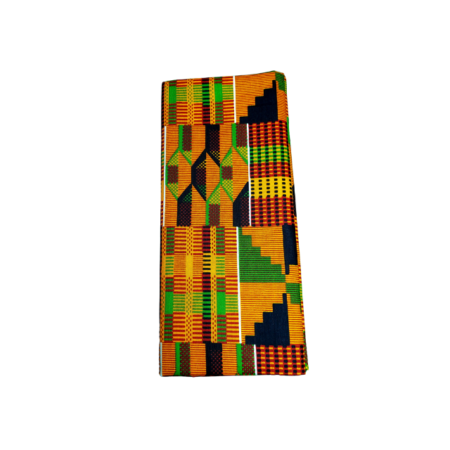

Original price was: $24.99.$12.50Current price is: $12.50.
-50%
Original price was: $49.99.$25.00Current price is: $25.00.
-50%
Original price was: $110.00.$55.00Current price is: $55.00.
-50%
Original price was: $24.99.$12.50Current price is: $12.50.
-50%
Original price was: $29.99.$15.00Current price is: $15.00.
-50%
Original price was: $17.99.$9.00Current price is: $9.00.
$7.99