The African Body Wrapper: Purpose and Significance in Traditional African Families
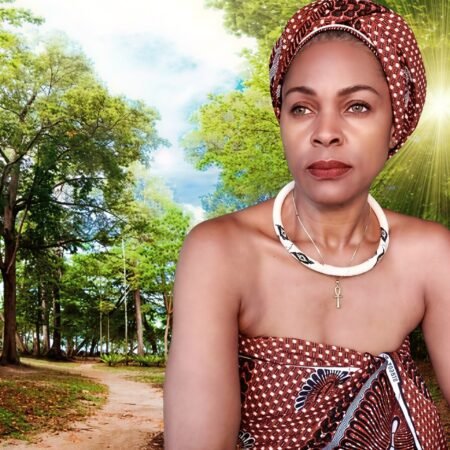
The African body wrapper, known by various names across the continent — such as lappa, kente, khanga, leso, or wrapper cloth across the continent, is one of the most symbolic and spiritually charged garments in African culture. More than a piece of fabric, it is a tool for grounding, healing, and self-awareness — a garment that connects the body, mind, and spirit to ancestral wisdom.
A Cultural Training in Humility
In traditional African families, wearing the body wrapper is part of a cultural training in humility. After a long day of work, removing designer or formal clothing and wrapping oneself in a single sheet of fabric is a humbling act. It symbolizes a return to simplicity and authenticity, helping to ground the core and reconnect with one’s true self. This daily ritual reminds the wearer that identity and worth are not defined by material possessions but by inner balance and peace.
A Practice for Posture and Presence
Africans are encouraged to wear body wrappers often because they help train posture in both men and women. Wearing only a wrapper creates a heightened awareness of the body — a reminder that one is almost bare. This awareness naturally encourages grace, elegance, and upright posture. The body wrapper teaches mindfulness of movement, helping the wearer walk and stand with dignity. In African philosophy, outward appearance reflects inward harmony; therefore, learning to carry oneself with poise is also a lesson in inner alignment.
A Reflection of Inner and Outer Beauty
Wearing a body wrapper is a spiritual exercise in self-awareness. It draws attention inward, encouraging reflection and self-discipline. Africans believe that how one presents oneself outwardly mirrors the state of the inner being. Through this practice, individuals learn to “stand and walk straight” not only physically but also metaphorically — walking upright in life, guided by integrity and self-respect.
A Symbol of Love and Intimacy
The body wrapper also holds deep emotional and relational significance. It is often worn or gifted as an expression of love, forming an important part of African intimacy and love language. Sharing or exchanging wrappers between partners or family members symbolizes affection, care, and unity. The softness of the fabric and the act of wrapping oneself or another person in it represent warmth, comfort, and connection.
A Message of Unity and Belonging
Matching African fabrics are worn during weddings, funerals, and community gatherings to express unity and solidarity. Families and friends dress in coordinated wrappers to visually communicate togetherness, respect, and shared purpose. This tradition reinforces the collective spirit that defines African societies — the belief that individuality thrives within community.
A Tool for Energy and Spiritual Work
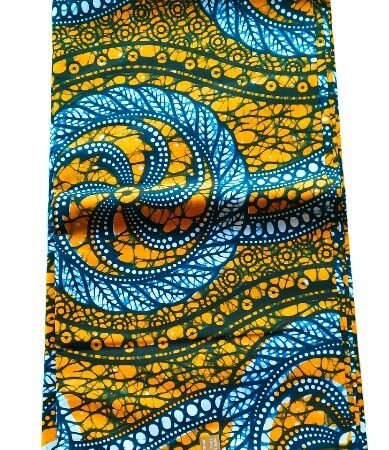
Beyond aesthetics, the African body wrapper is also used for energy and spiritual work. African fabrics are intentionally colorful, with vibrant and bold hues designed to recharge or balance the body’s energy centers, also known as chakras. Each color carries a specific vibration that influences mood, vitality, and spiritual alignment.
In addition, many African fabrics are adorned with variety of Adinkra symbols and Sacred Geometry — sacred emblems that encapsulate African beliefs, wisdom, and traditions. These symbols are not merely decorative; they are carriers of energy and meaning. When worn, they allow the wearer to harvest the spiritual power embedded in their designs, connecting them to ancestral knowledge and divine protection.
A Living Expression of African Philosophy
The African body wrapper embodies the essence of African philosophy — simplicity, balance, beauty, and purpose. It teaches humility, strengthens posture, nurtures love, and channels spiritual energy. Through this single piece of fabric, generations have learned to live with grace, awareness, and connection to both self and community.
The body wrapper is not just clothing; it is a way of life — a sacred practice that continues to remind Africans of who they are, where they come from, and the power that lies within.